MUSIC
New Release
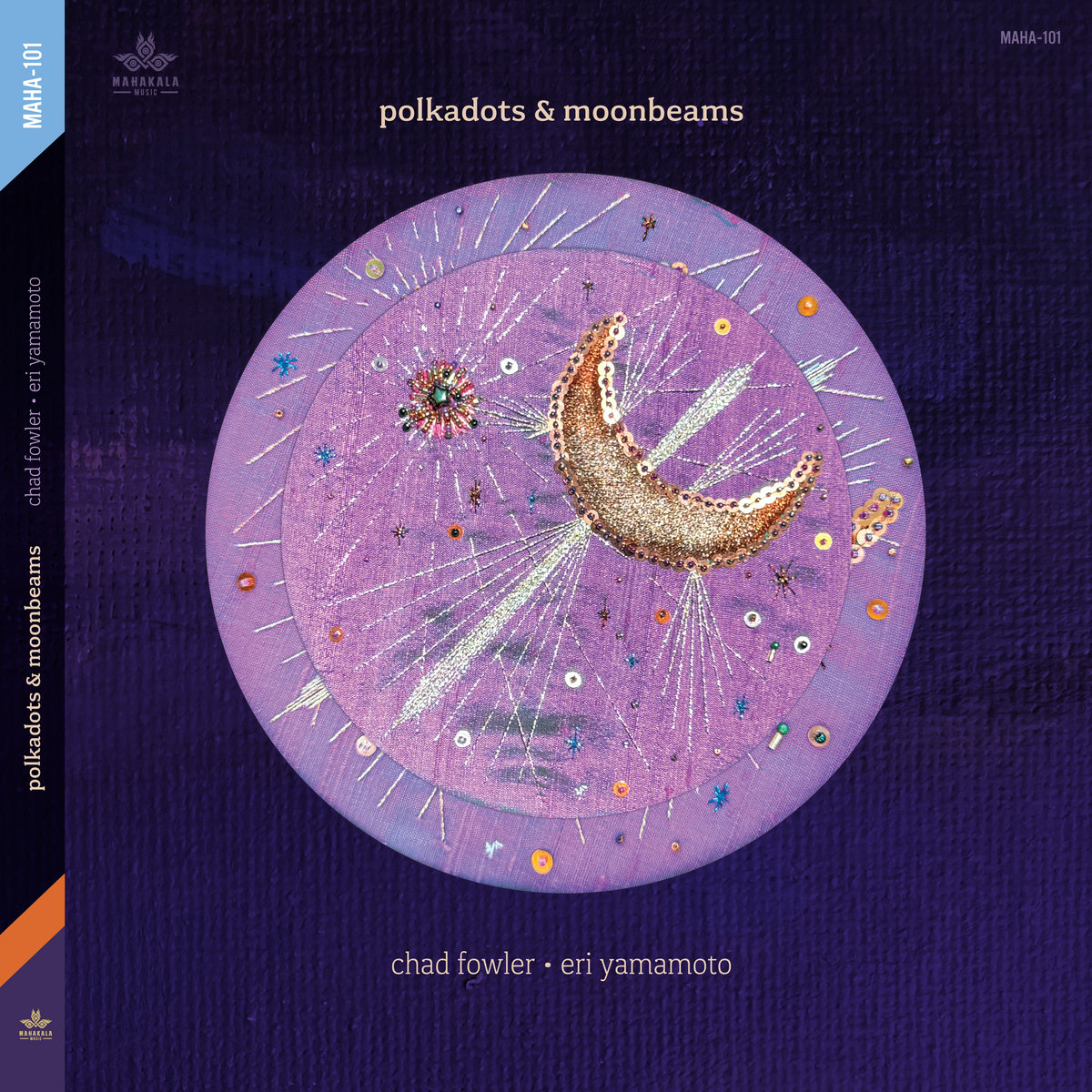
Polkadots & Moonbeams
Chad Fowler & Eri Yamamoto — duo, recorded at Park West Studio, Brooklyn
No plan. The record started as a conversation in the car on the way to the studio. Nothing was discussed, rehearsed, or arranged — and yet the pieces arrived with the shape of songs that had been waiting all along.
“Ash” was written in the days after my father died, after I brought his ashes home. At the other end is “Polkadots and Moonbeams” — the song played at my wedding nearly thirty years ago, the song whose opening bars are tattooed on my arm. Everything in between was improvised. Cover embroidery by Kelly Jeanne.
A son’s farewell to a wedding song, with a great deal of life in between.
- ash
- midnight mourning morning mirth
- when you die you become sentient energy
- russian dragon
- the things we’ll miss
- he always knew he’d be a preacher
- we can’t dance, can we?
- polkadots & moonbeams
Latest Albums
Whirlpool (2026)
Duo with Matt Lavelle — stritch, saxello & flutes against pocket trumpet and bass clarinet
Listen on Bandcamp →Who Does Not Seek The Sky? (2026)
Echo Party — with Khari Wynn, Alex Greene, Steve Hirsh; four long-form pieces
Listen on Bandcamp →Memphis Mandala (2026)
with Art Edmaiston, Ra Kalam Bob Moses, Damon Smith, Clifford "Pee Wee" Jackson — recorded live at Crosstown Arts, Memphis
Listen on Bandcamp →The Eternal Now is the Heart of a New Tomorrow (2024)
Deep Staria Enigmatica ESP
Listen on Bandcamp →Miserere (2023)
with Zoh Amba, George Cartwright, Luke Stewart, Chris Parker, Kelley Hurt, Steve Hirsh
Listen →Listen on Spotify
Live Performances
Instruments
- → Stritch (straight alto saxophone)
- → Saxello
- → C, Alto & Bass Flutes
- → Baritone Saxophone
- → Electric Guitar
On Improvisation
15 Questions Interview
"Improvisation is not about playing whatever you want. It's about listening deeply and responding authentically in the moment."
An in-depth conversation about the philosophy and practice of improvisation, the intersection of technology and music, and the creative process.
Read Full Interview →Mahakala Music
Founded in 2019, Mahakala Music is a record label (run by Chad and drummer Steve Hirsh) dedicated to avant-garde jazz and free improvisation. Home to collaborations with William Parker, Matthew Shipp, Eri Yamamoto, Ivo Perelman, and more.
Explore Full Catalog →TECHNOLOGY
{
  "current": [
    "Partner & CTO @ BlueYard Capital",
    "Building freeq — IRC rebuilt with identity",
    "Teaching agents to form institutions",
    "Writing The Phoenix Architecture"
  ],
  "languages": ["Haskell", "Rust", "Ruby", "TypeScript", "Python"],
  "interests": [
    "future of software development",
    "regenerative software",
    ""generative software",
    "programmable organizations and wisdom of crowds",
    "systems that survive",
    "open source everything",
    "localfirst software",
    "context portability and user-owned data
  ]
}
Currently Building
/* things that run, not slides about things that could run */
Freeq
live freeq.at · irc.freeq.atThe big one. A real, IRC-compatible communication system rebuilt around identity: AT Protocol DIDs, cryptographically signed messages, end-to-end encryption, iroh transport and federation, Automerge for convergent state, first-class agents, and web plus native clients. Connect with a 1993 IRC client or a 2026 one — same network, same messages.
FreeqWorld
gloriously weirdProof that Freeq is a protocol, not a chat UI: a 1992-ish multiplayer RPG where rooms are IRC channels, characters are DIDs, and speech bubbles are honest-to-god IRC messages. Idle in a tavern from your terminal.
iroh-drop
open sourceDecentralized AirDrop. Hand someone a single ticket string and they get your files or directories — then re-serve the blobs themselves, so popular things get faster instead of more expensive. CLI, daemon, and a native macOS app.
mdsnd
liveSmall, complete, finished: Markdown publishing with secret unlisted URLs, editing and history, and optional password protection where the encryption happens in your browser — the server never sees the plaintext. Sign in with Google or Bluesky, or don't sign in at all.
Phoenix
open sourceNot just the essays — a working implementation of regenerative, version-controlled software. Spec → architecture target → generated running application, with traceability back to intent and the ability to regenerate rather than repair.
Freeq Foundry
experimentA running environment where independently operated agents form an institution: they draft governance, allocate authority and equity, argue, and then actually ship code. Twelve founders across nine model snapshots and three providers, real economic constraints, fully replayable runs. The artifact is the signed institutional history.
freeq-swarm
prototypeDistributed PR-review agents coordinating over Freeq: workers race-claim tasks, independently review a SHA-pinned diff, and a coordinator reduces their verdicts to a consensus result. Phases 0–7 implemented, ~180 tests. A shipped prototype, not a product — and I'd rather say so.
Books
Rails Recipes
Best-selling 2nd book ever published on Rails
Featured Podcast Appearances
Stop maintaining your code — start replacing it. On the Phoenix Architecture and why regenerative software changes everything.
Join Chad on the Snark Chocolate podcast where he discusses the intersection of technology, creativity, and craftsmanship.
Developer on Fire - Being Deliberate
Exploring mindfulness, working at Microsoft, fear of letting people down, and being deliberate in career and life choices.
Listen to Episode →Developing Leadership - An Engineering Leader's Search for Meaning
A heartfelt existential conversation with Jason Warner and Eiso Kant about authenticity, compassion, introverted leadership, and reflecting on what it means to be an engineering leader.
Listen to Episode →Modern CTO Podcast - Microsoft Startup Advocacy
Discussing venture funding, common founder mistakes, and becoming an expert through writing. Insights from leading Microsoft's Startup Advocacy.
Listen to Episode →Maintainable Software - How Small Can We Make This Problem
A candid chat with Robby Russell about building software in small pieces, unit testing perspectives, and lessons from leading Wunderlist.
Listen to Episode →alphalist.CTO - Musician, Author and VC
Transforming Wunderlist from monolith to microservices. A unique perspective on technology from a musician and RPG player background.
Conference Keynotes
Open Source
Ruby Central Co-founder (2002)
RubyConf Co-organizer (2001-2012)
RailsConf Founder, Co-organizer (2006-2012)
RubyGems Co-creator/maintainer (2003-200?)
Venture Capital
As Partner & CTO at BlueYard Capital, investing in technologies that bring us closer to Utopia or farther from Oblivion.